The Great Plains were barren to those unwilling to make constant change the center of existence.
Puha (POO-hah) is the Comanche word for power — the force the Nʉmʉnʉʉ (NUH-muh-nuh, "The People") and their Numic kin understood to move through everything alive. It was never handed out. It was sought — in vision, alone, over days — or carried down through years of training under a puhakatʉ (poo-hah-kah-TUH), one who already held it. In either case it had to be proven in use.
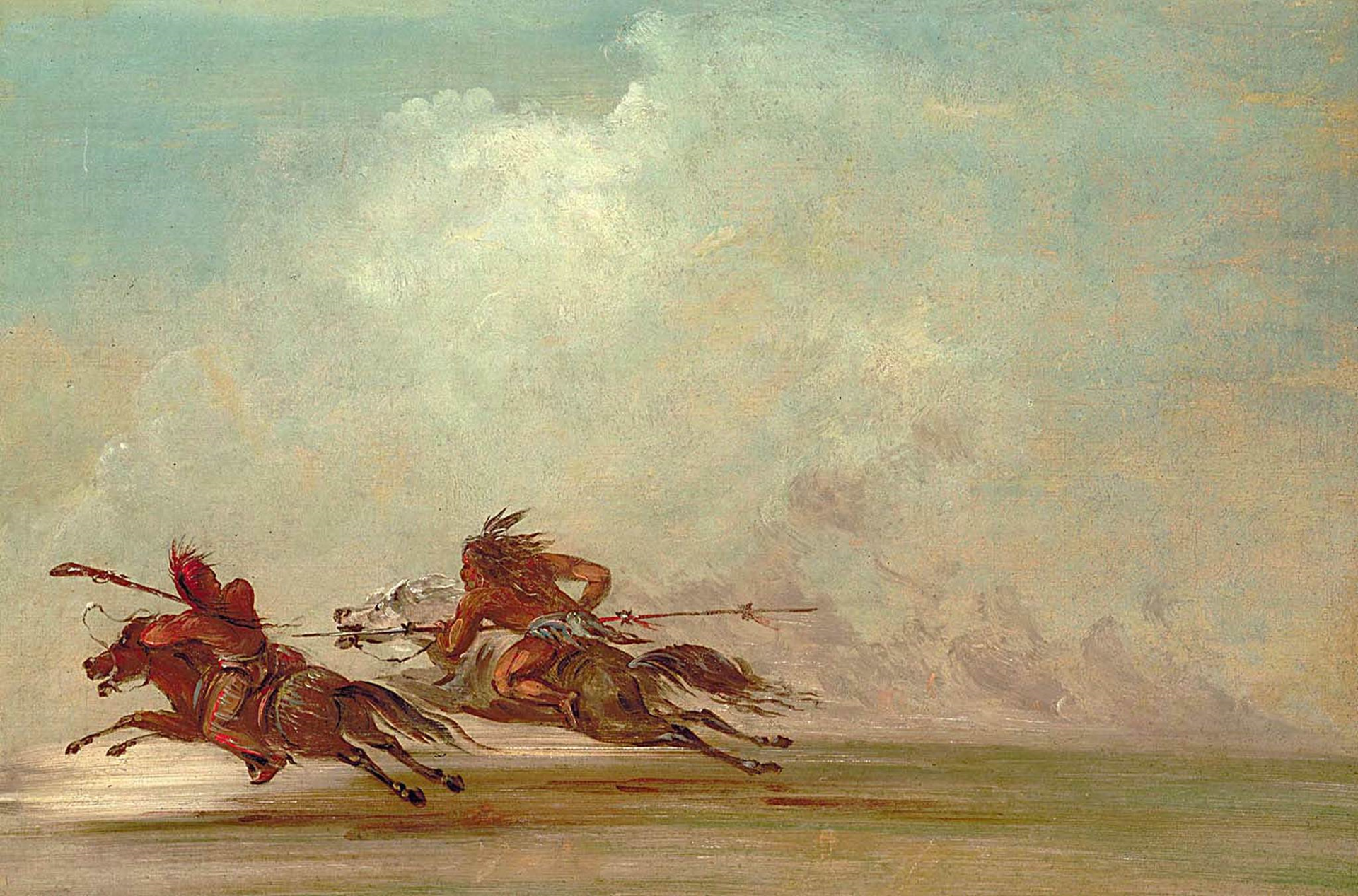
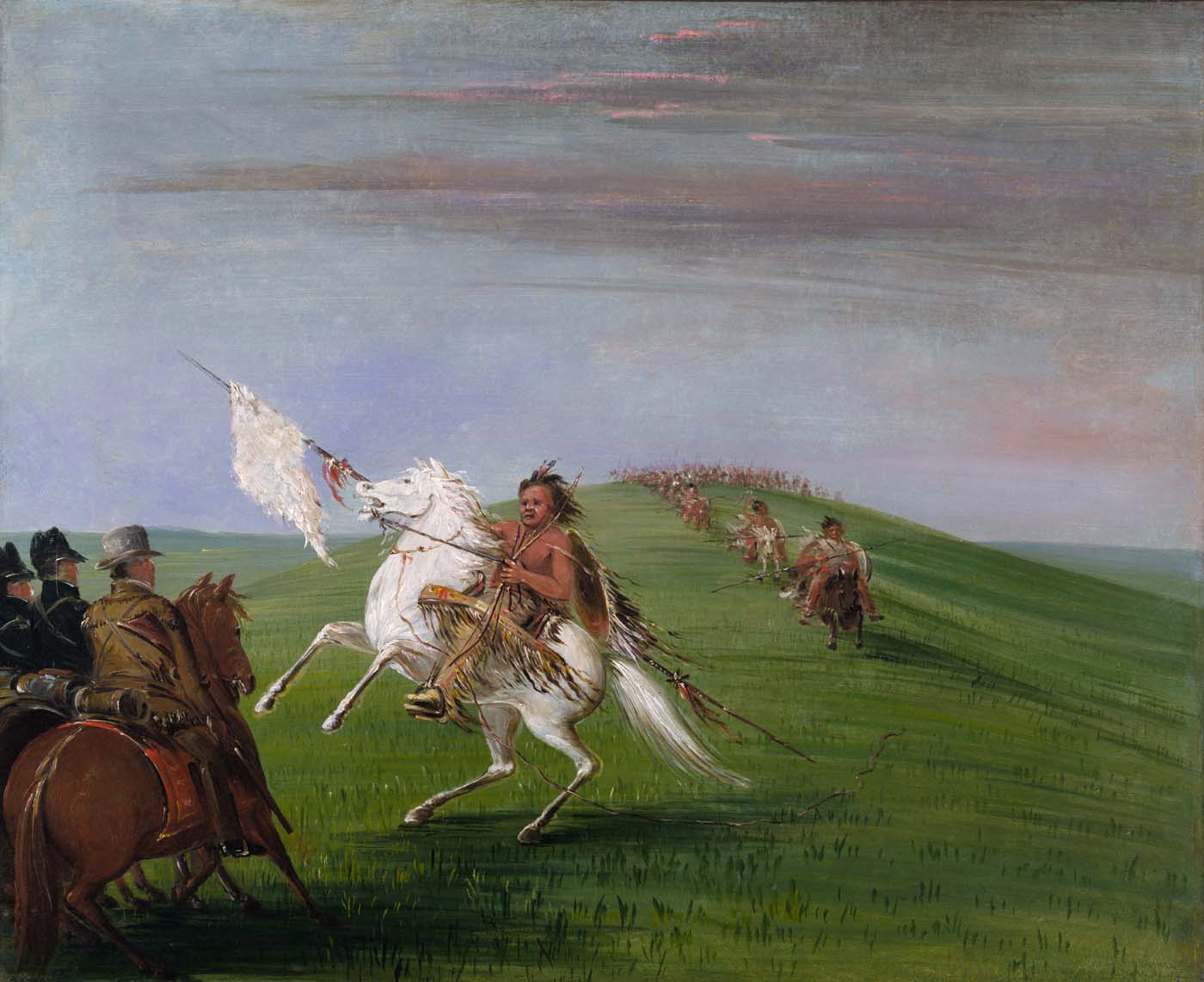
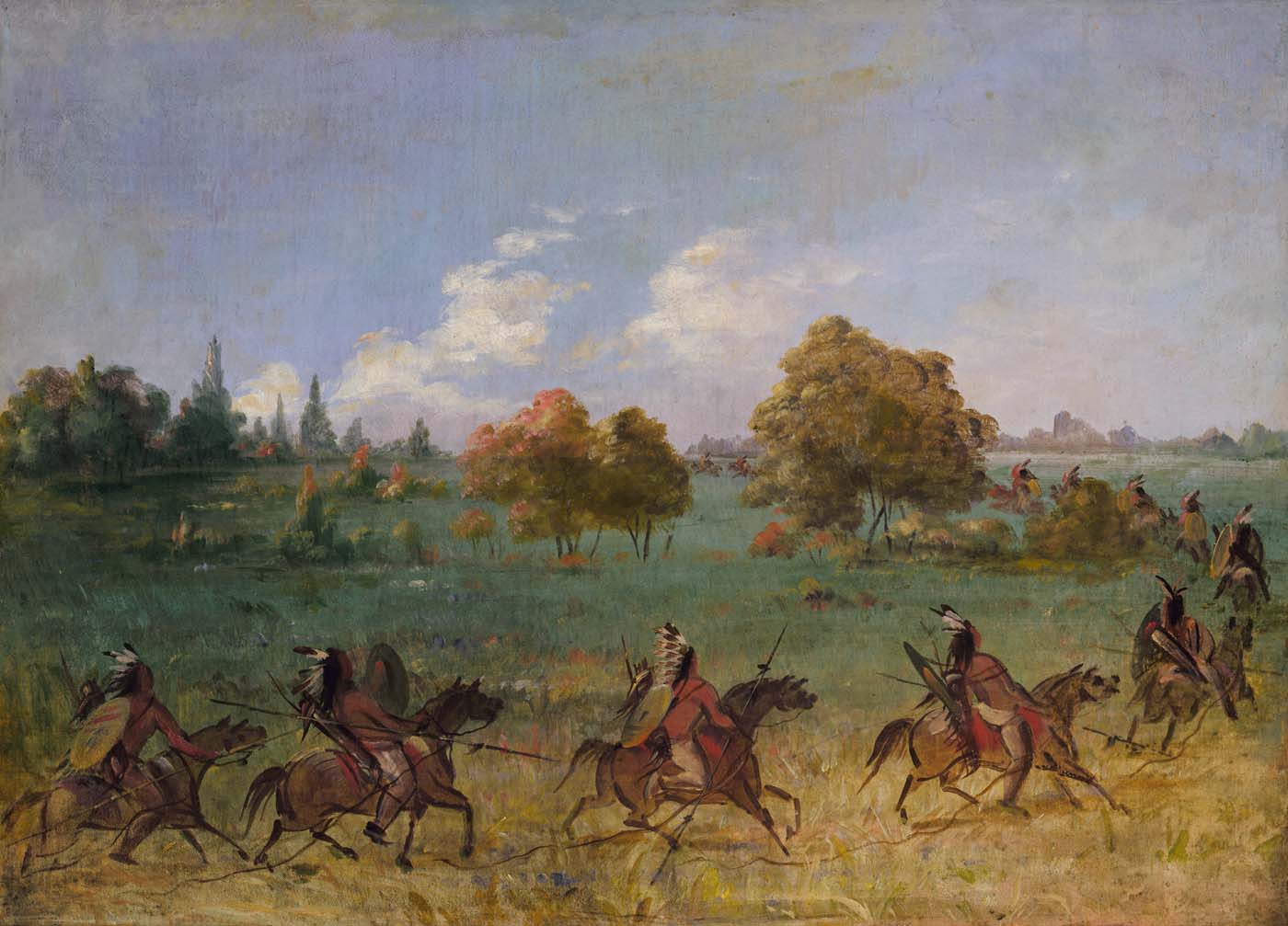
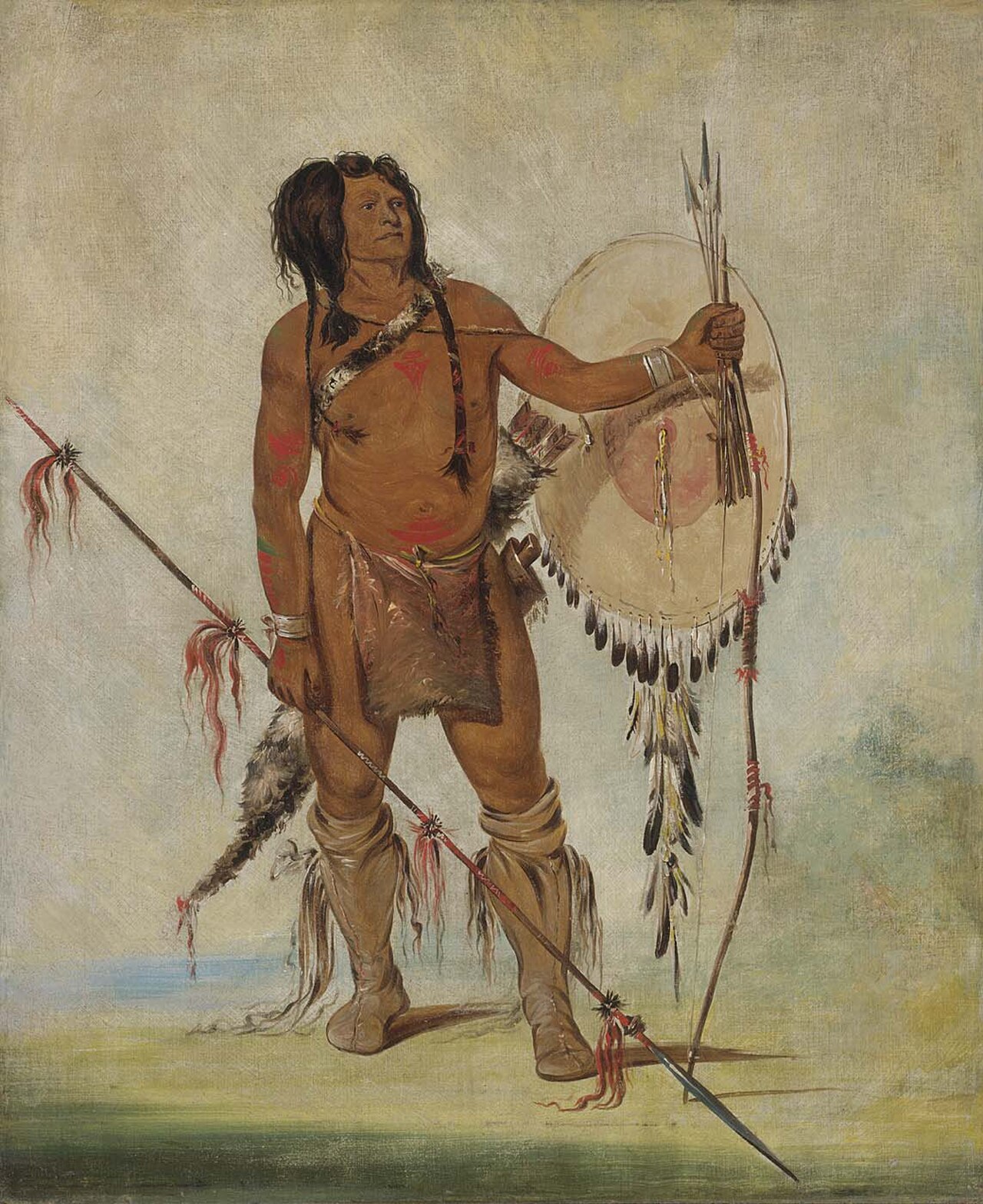
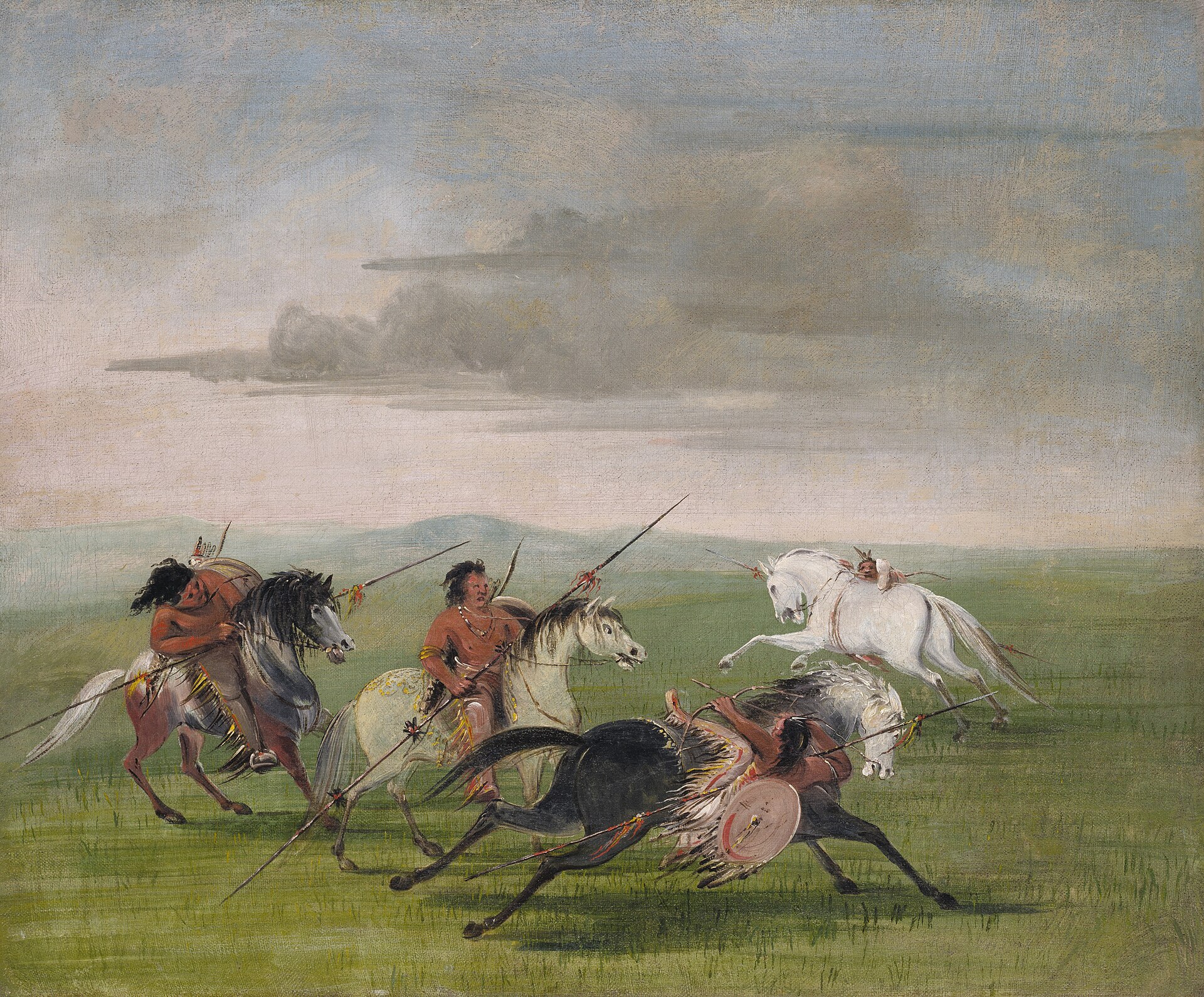
No people proved it like the Nʉmʉnʉʉ on horseback. They were the finest light cavalry on the continent: children rode almost as soon as they walked; a hunter guided a trained buffalo runner with his knees, both hands on bow or lance, at full gallop; a warrior could drop to the side of a running horse — the feat Catlin painted above — and loose arrows from under its neck. Wealth was counted in horses, and Comanche herds and horse-trade networks reshaped the entire Plains economy.
We looked to the Comanche for this name, and it is perfect. The puha that let a people constantly adapt, move, and hold focus is the same energy that drives our team — an environment hostile to the complacent yields to those willing to change.
Our name draws, with respect, on the language of the Nʉmʉnʉʉ (NUH-muh-nuh) — the Comanche Nation, which continues today, headquartered in Lawton, Oklahoma.
Indigenous economies organized around assets a world away from the hold fiat was gaining on both East and West.
The Comanche economic and power structure was organized completely around the horse. Be it war, games, or raids — Comanche advisors and tribal leaders kept tens of thousands under careful guard.
Horses enabled the Comanche to continue lives of unceasing change. Whether following game or seizing post‑raid bounty, scholars agree they were unmatched while riding in their own unit of currency.
George Catlin · Comanche Warrior Lancing an Osage, at Full Speed · 1837–39 · Smithsonian American Art Museum
The approach
Our system ingests a huge volume of transactions and other data relevant to the environments in which we operate. That data is sorted, stored and analyzed using proprietary mathematical and algorithmic processes. The five stages below are a high-level summary of how raw data transforms to a proposal.
Illustrative. Timing and detail vary by market — the pattern does not: behavior leads the price.
The Comanche and their dynamic nature served them well. Adopting the horse from the Spanish and eventually firearms — technologies completely foreign to them became central to their outperformance.
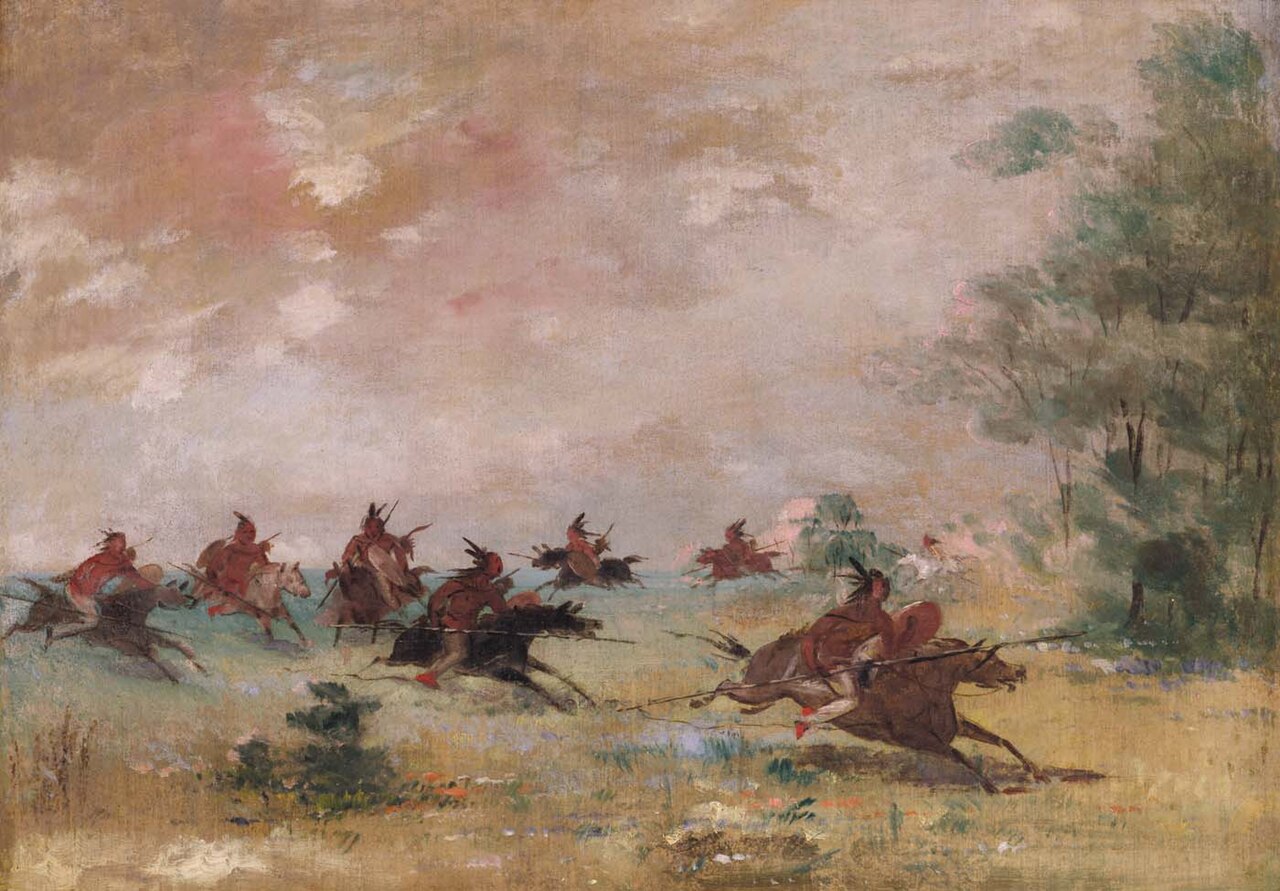
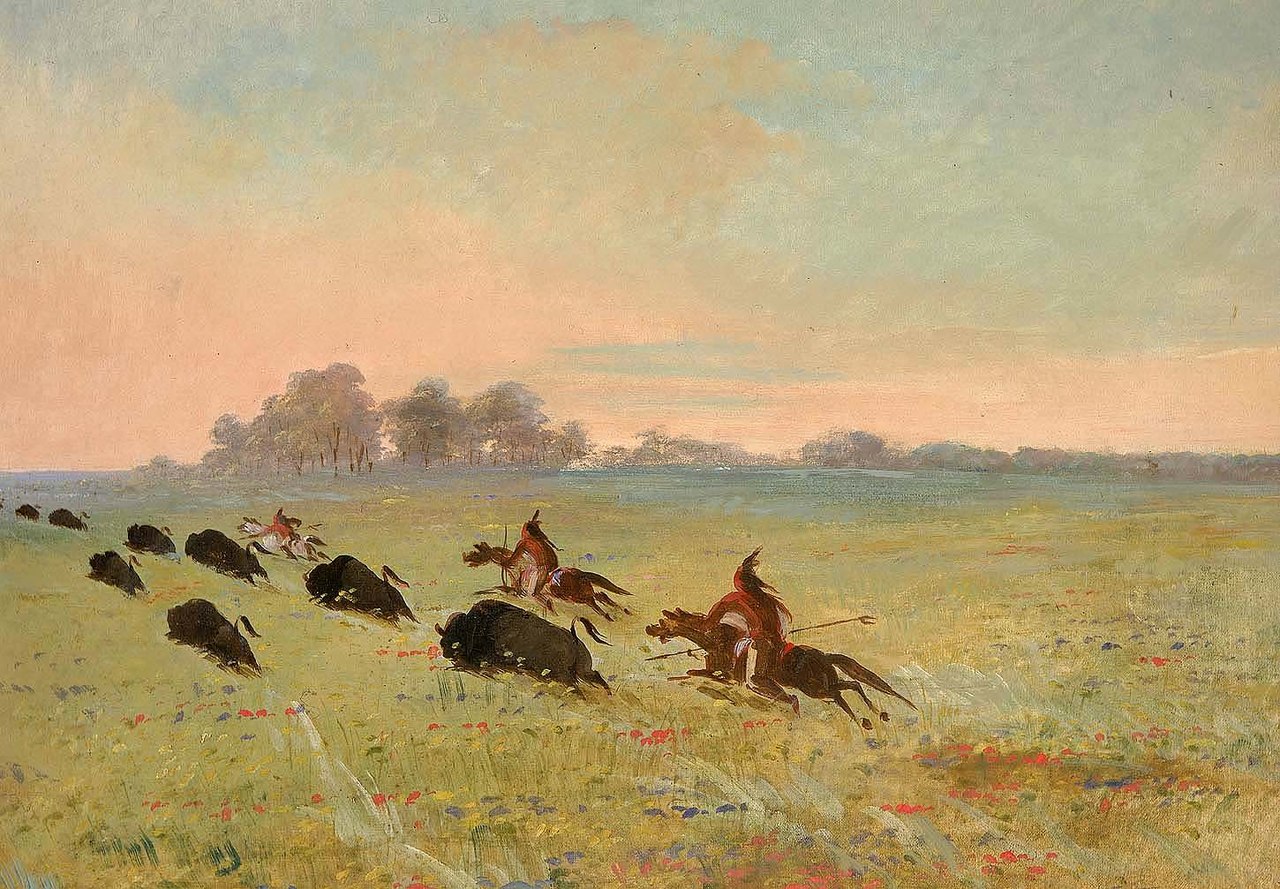
George Catlin · Comanche War Party, Mounted on Wild Horses · 1834 · Smithsonian American Art Museum
Non-exhaustive listing of proprietary fingerprinting detection elements.
Dynamic tracing & fingerprinting
Puha has the proprietary technology needed to uncover subtle signals in a chaotic sea of marketplaces. Some of the attributes we look for are listed below.
Lineage


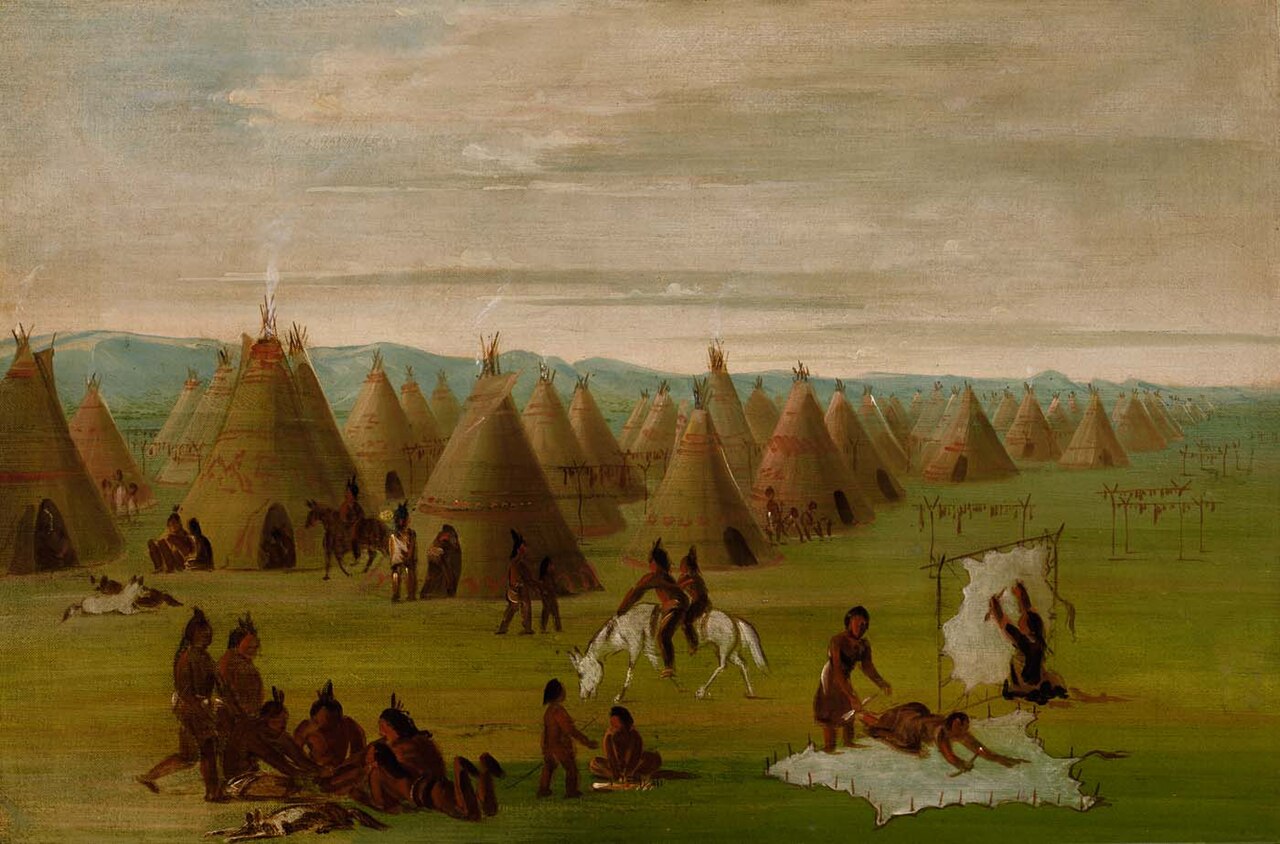
George Catlin, from his 1834 journey among the Comanche; canvases 1834–1848. Smithsonian American Art Museum · public domain.
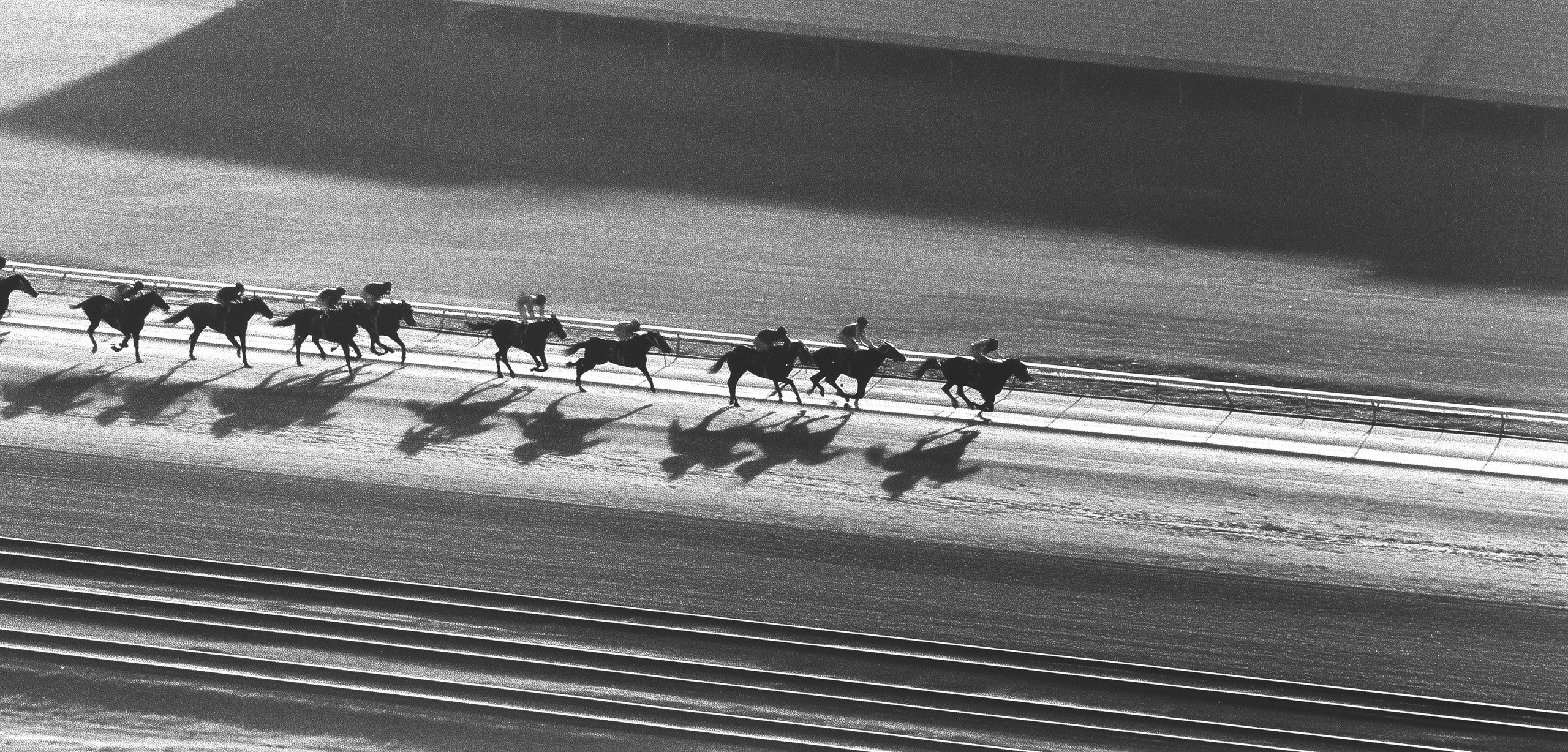
Speed is visible. Conviction is what you learn to read.
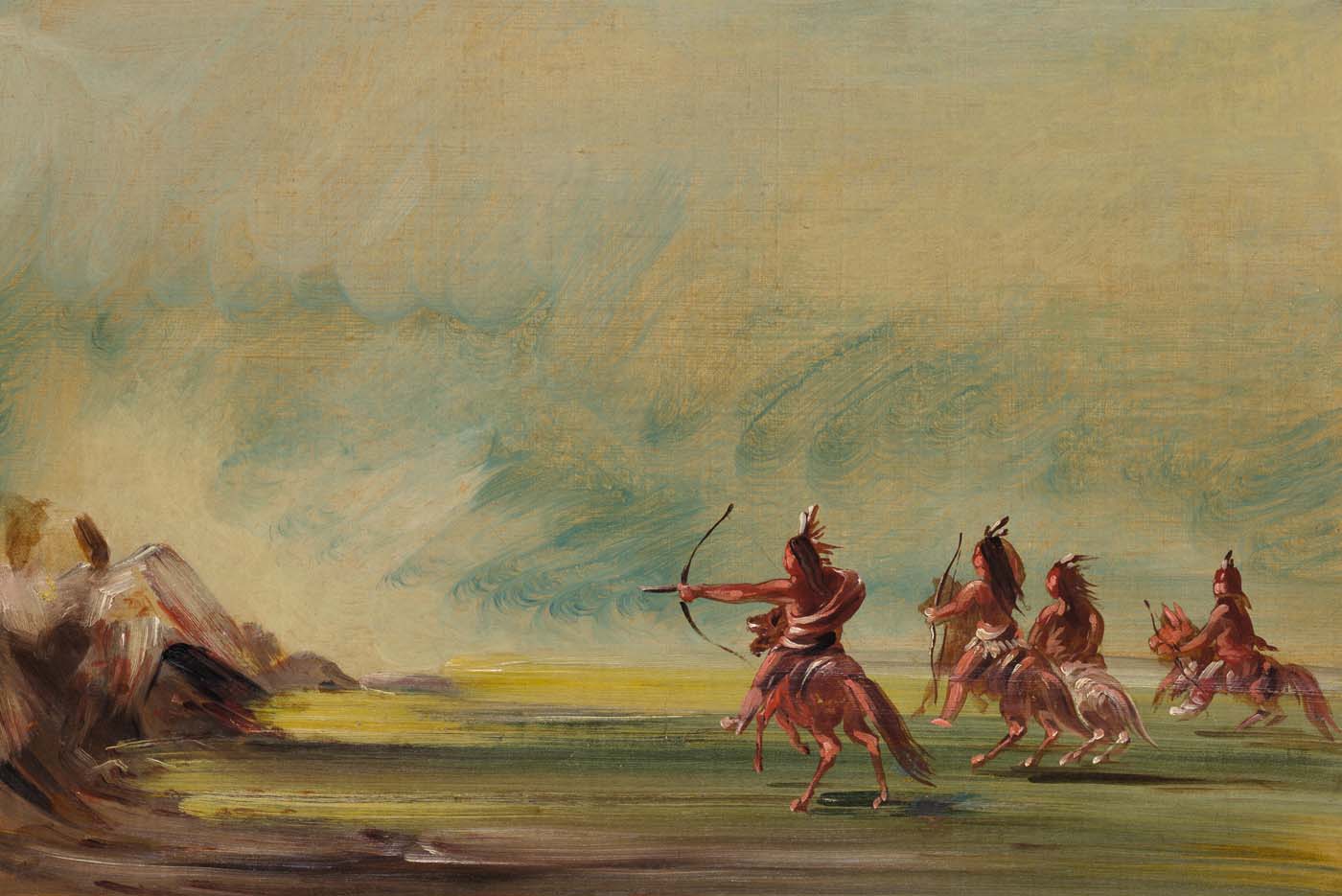
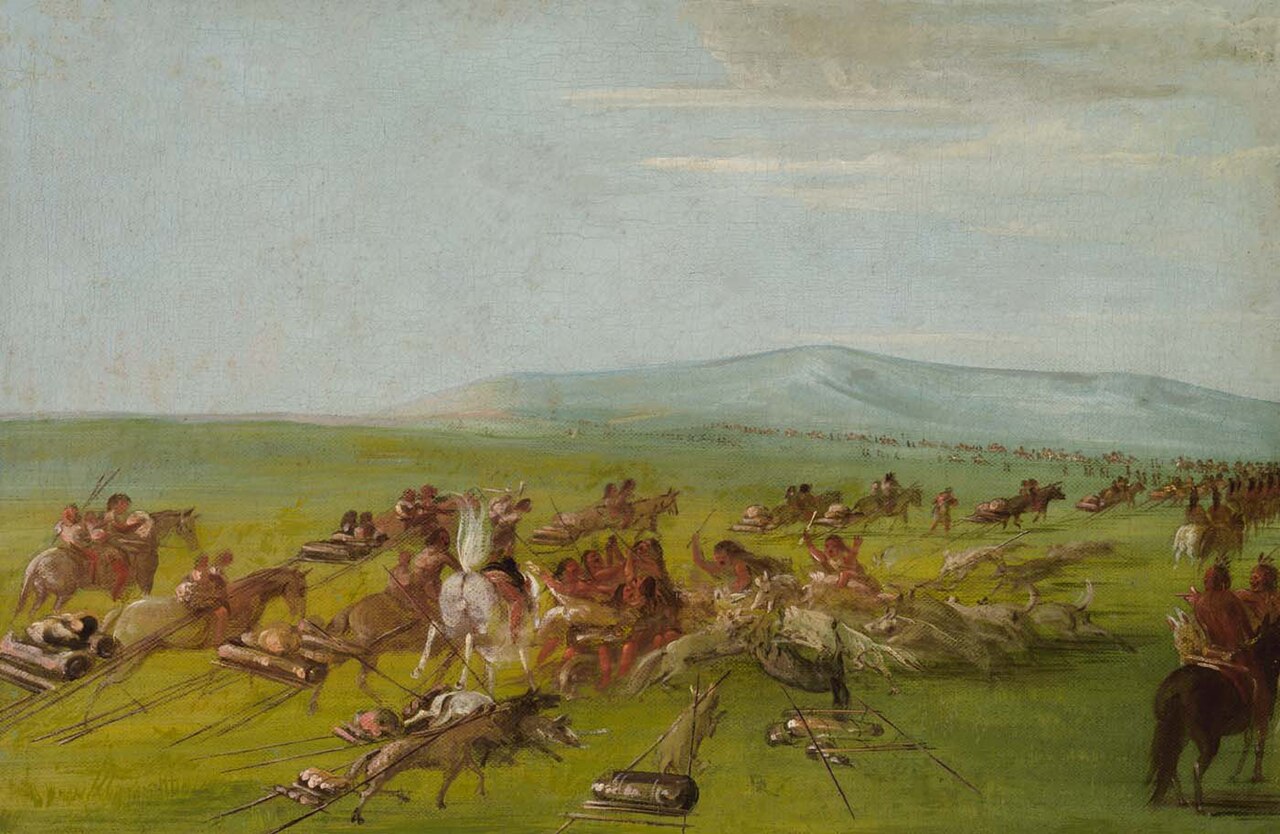
George Catlin · Comanche War Party on the March, Fully Equipped · 1846–48 · Smithsonian American Art Museum
The offerings
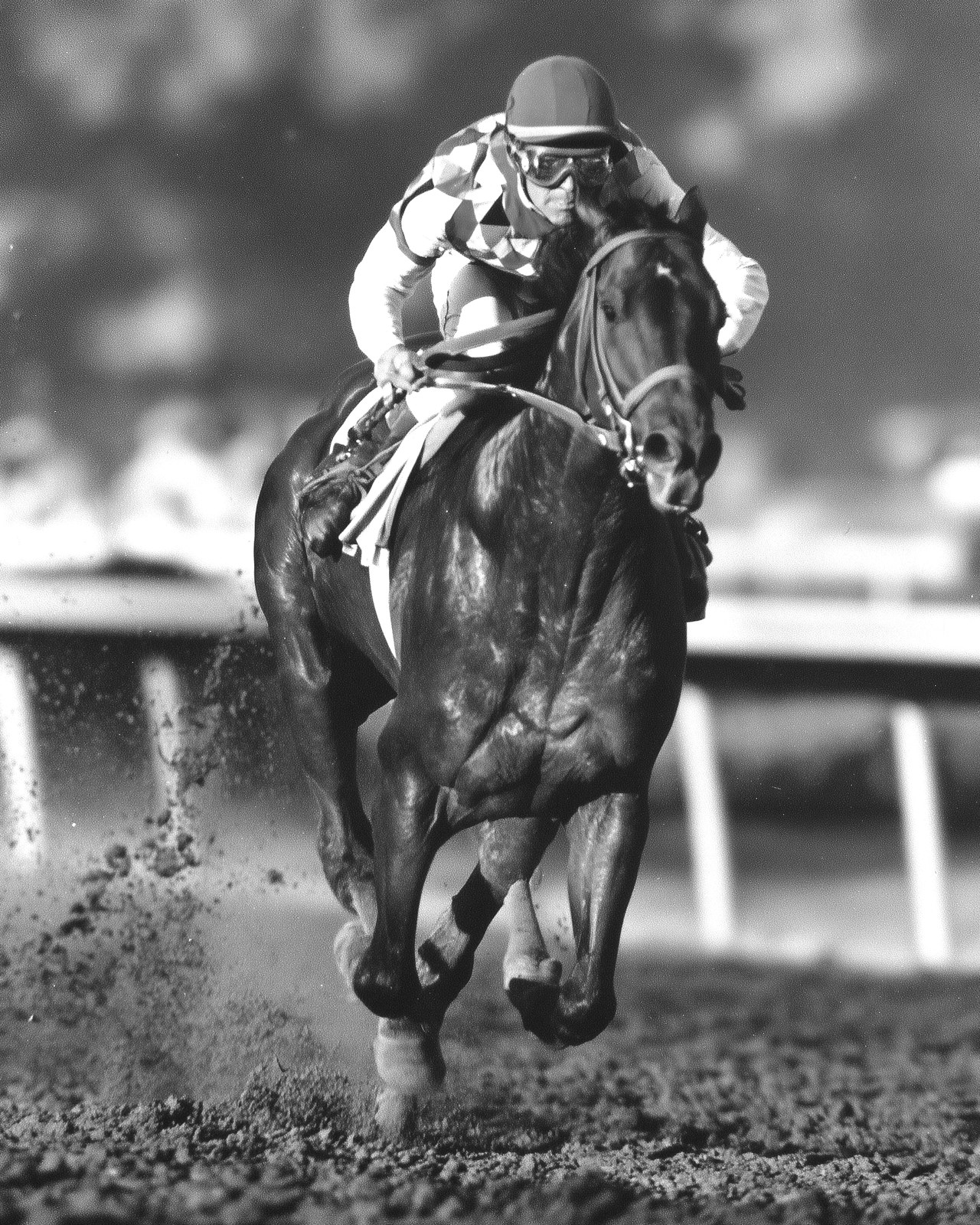
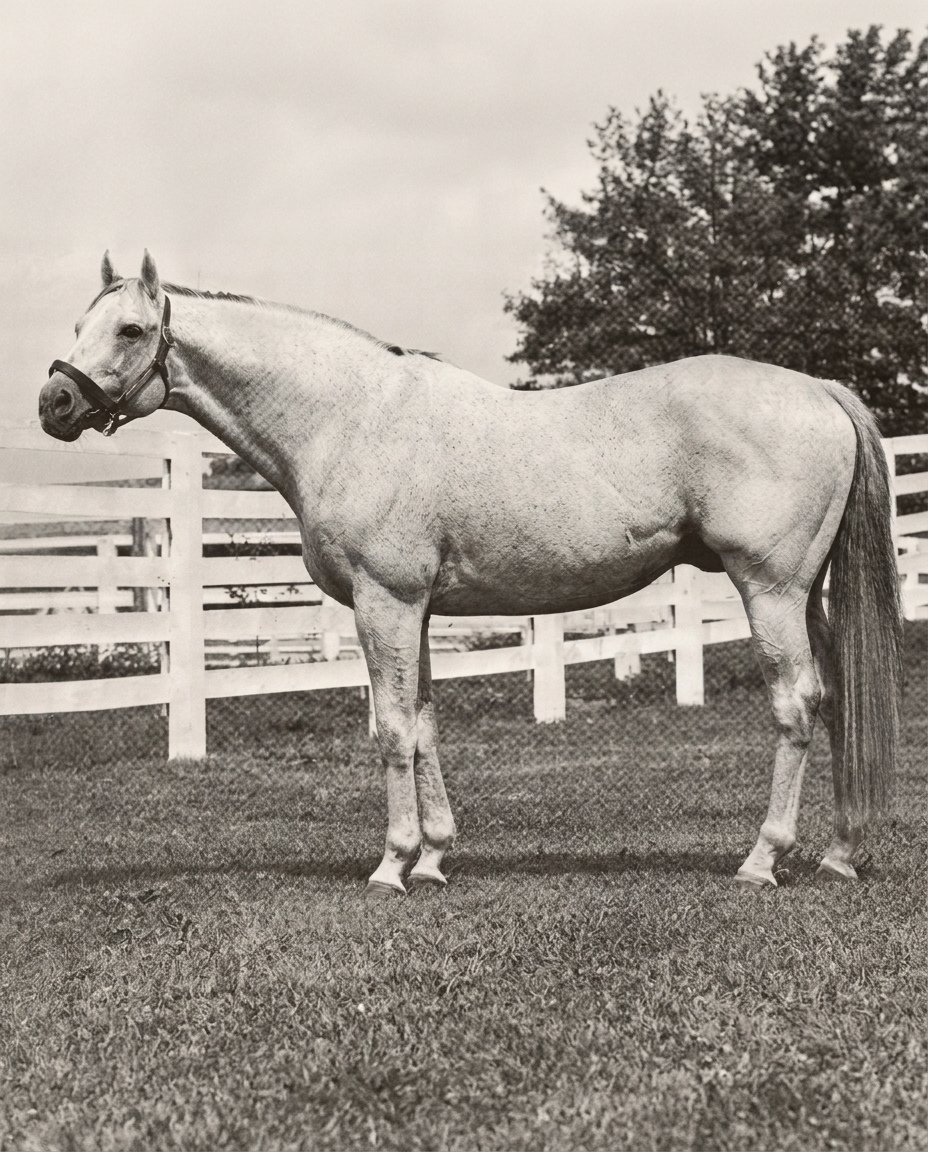
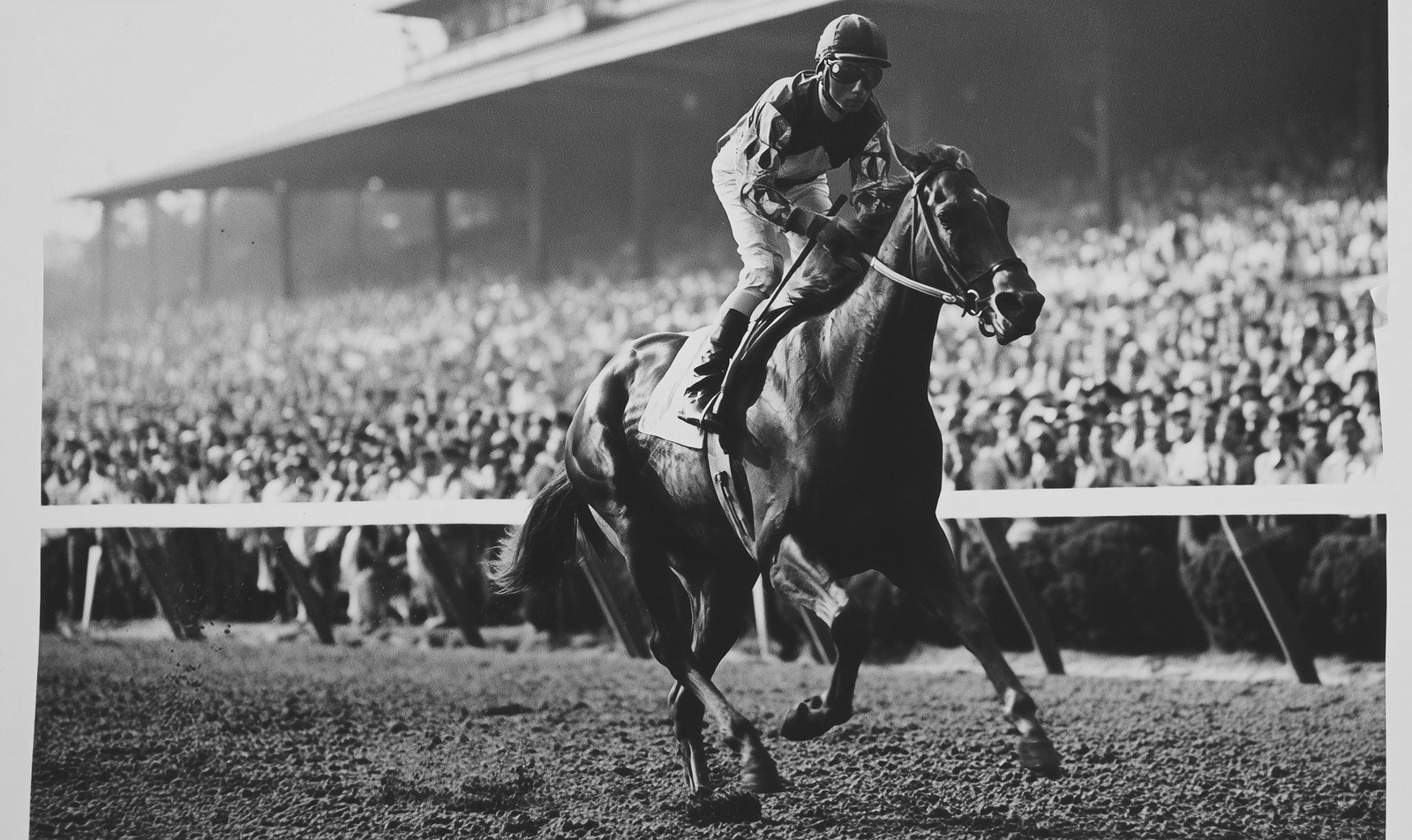
Our clients choose from the legendary horses of our own era.
Review our offerings · separate paths
Puha's technology is calibrated as time goes on — acclimating as the Comanche did when ranging as needed.
We work with all partners to ensure onboarding is a smooth process, and provide ongoing support. Puha Analytics works with a limited set of partners; pricing is by conversation.
Contact for pricing →